

The mission of a cardiac surgeon
In 2016, cardiac surgeon Dr. Tommi Pätilä performed a demanding heart operation at Helsinki University Hospital. During the case, oral bacteria were identified in samples taken from the patient’s heart. The finding left a lasting impression and reinforced a clear conviction: better control of oral bacteria matters far beyond the mouth.
Dental plaque is the primary driver behind many common oral health problems. While brushing is essential, mechanical cleaning alone does not reach the full plaque burden, particularly in difficult areas. Dr. Pätilä saw that a more advanced way to support plaque control was essential, something had to be done!
A significant encounter
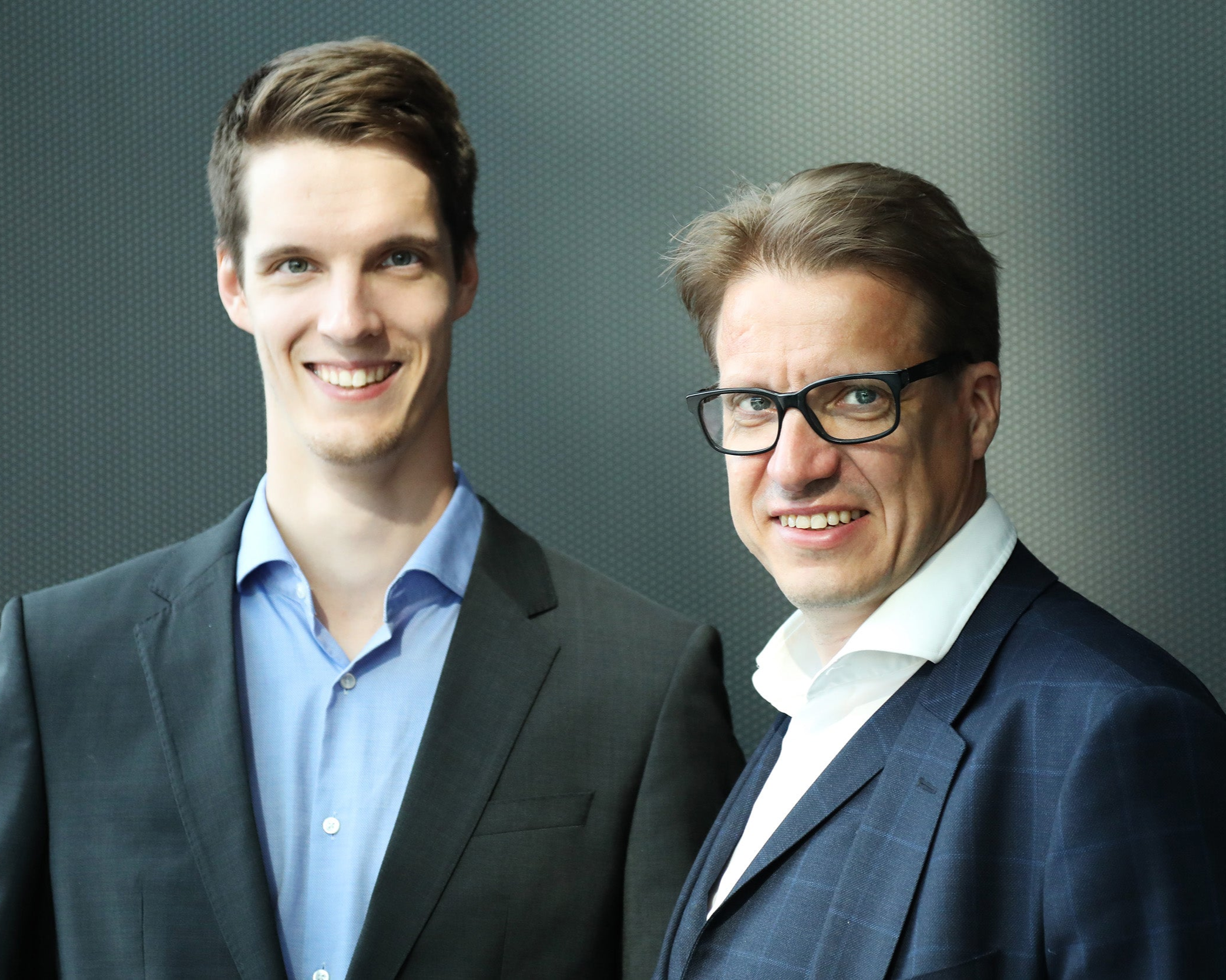
Around the same time, Pätilä met Sakari Nikinmaa, a graduate engineer working on the Biodesign project at the Children's Hospital. Nikinmaa was looking for an interesting new project and became interested in Pätilä's findings. Together with Nikinmaa and the Biodesign team, they decided to take action. They set up a research group at Aalto University, which began extensive technical and antibacterial studies.
Founding team
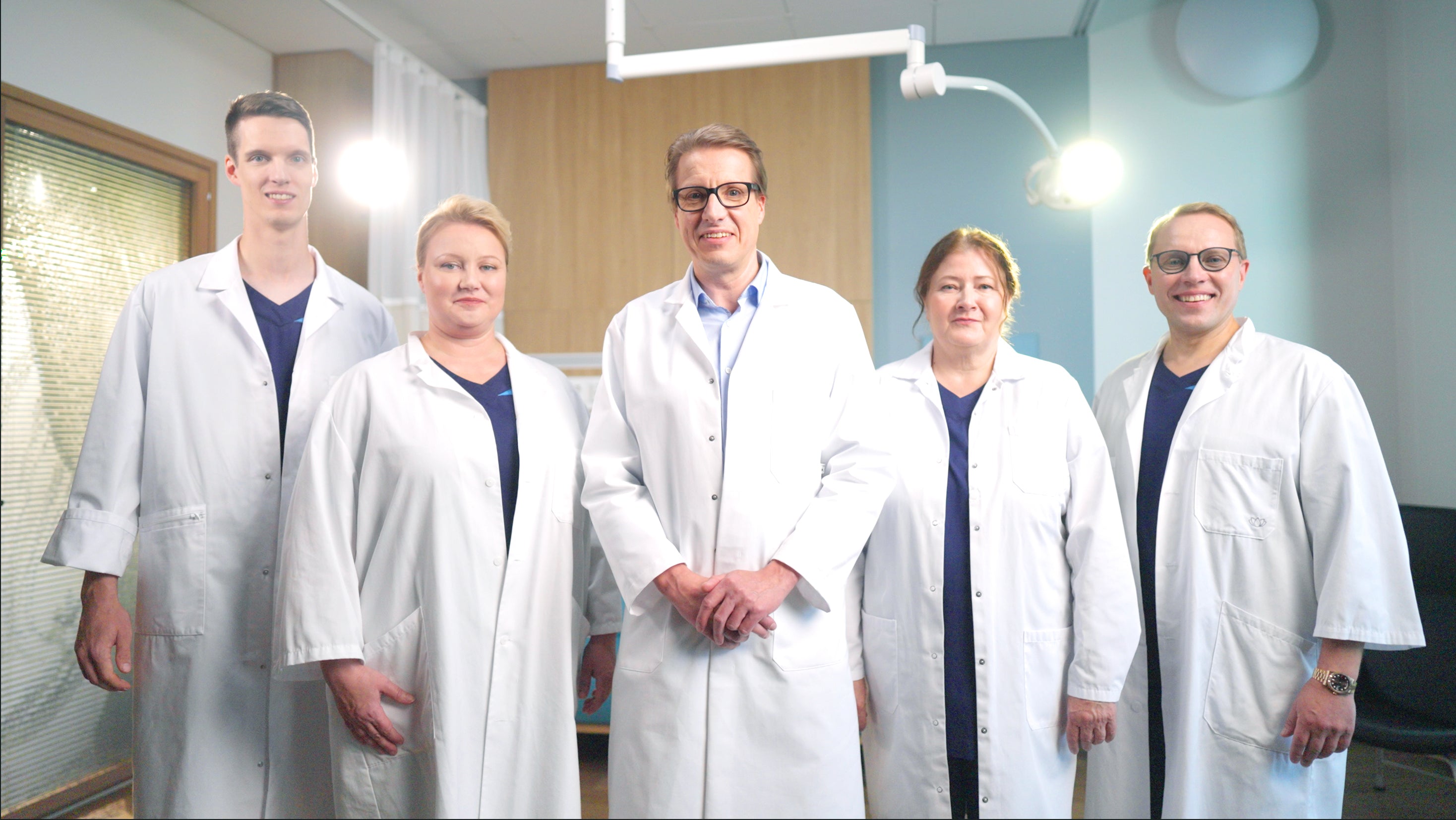
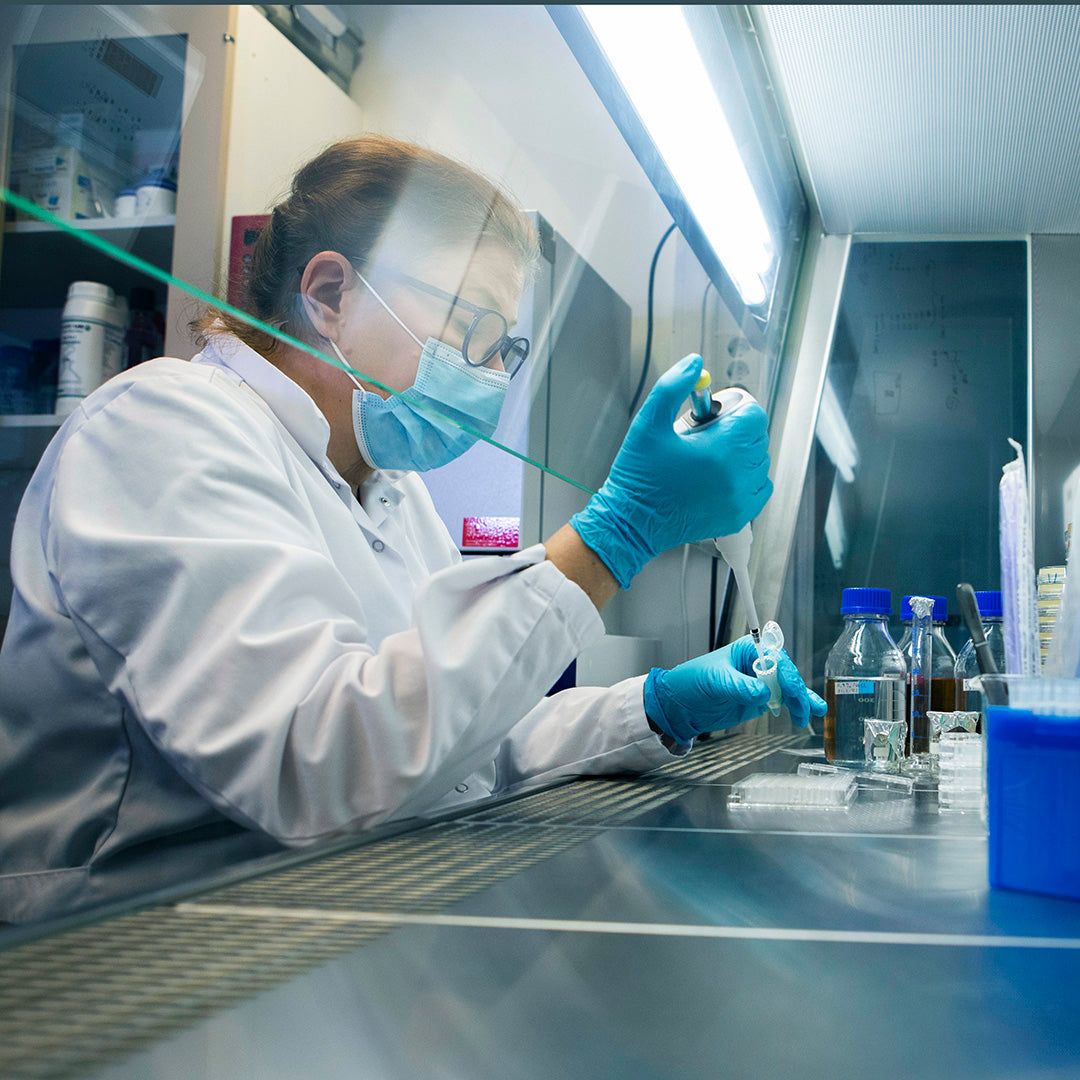
The group invited some of the world's top experts in physics, chemistry and dentistry. The world's best expertise was also found in the field of technology. Juha Rantala, an internationally renowned semiconductor chemist, joined the team. Rantala is deeply familiar with the use of antibacterial blue light. The expertise of Saija Perovuo, a laboratory analyst in the Department of Oral and Maxillofacial Diseases, was crucial to Lumoral's development.
Innovation
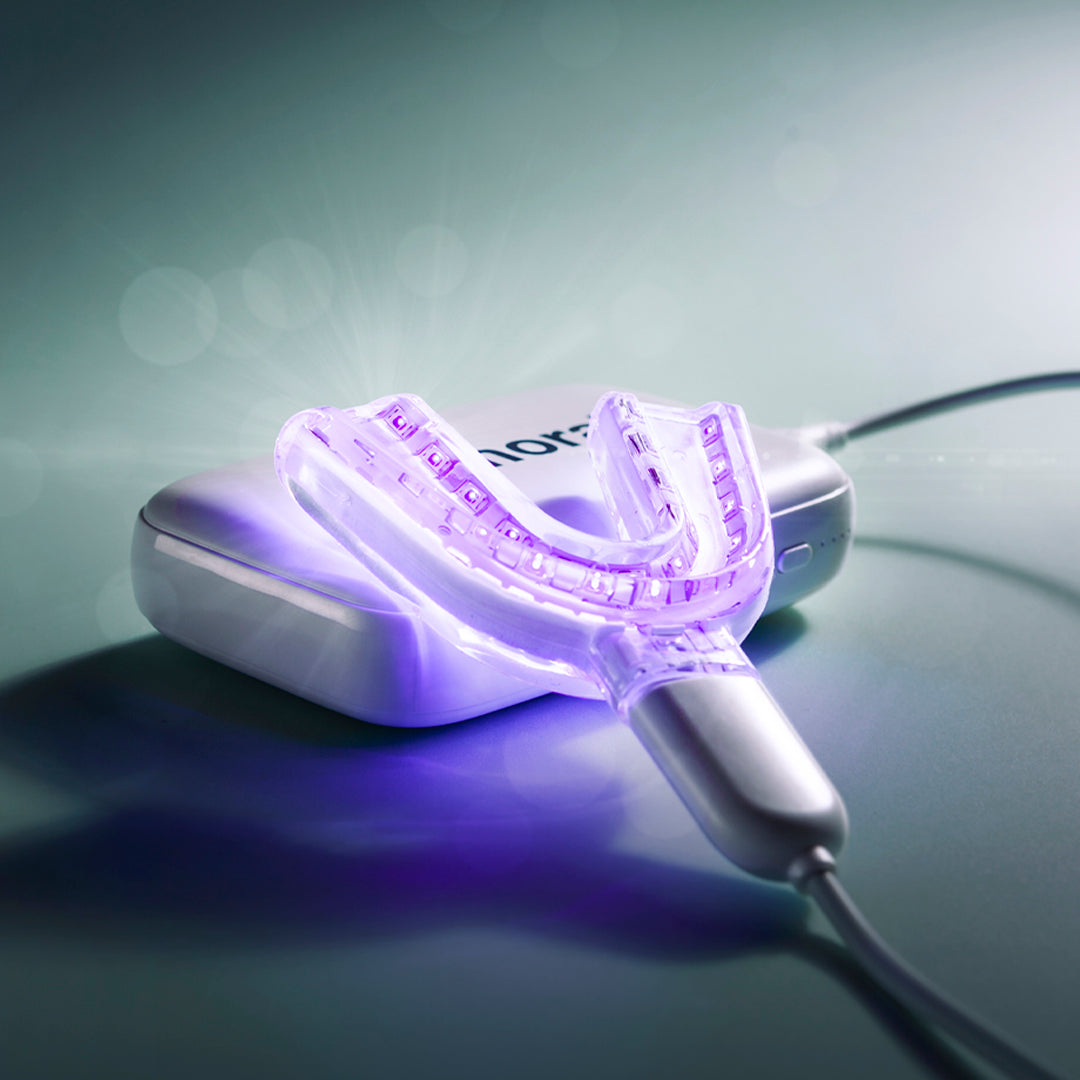
Extensive trials found that by combining carefully selected wavelengths of light and light-activated mouth ratios, an incredibly effective but localised antibacterial effect could be achieved. We developed innovative LED components with precisely selected wavelengths. After thousands of in vitro experiments, the parameters were made to work and we finally came up with a concrete method to use, Lumoral, designed by Harri Koskinen.

The start of clinical trials
Under the guidance of Professor Timo Sorsa, large-scale clinical trials were launched across Europe. Randomised trials proved the theory to be valid. When regular bacterial inactivation of the plaque is carried out regularly and in addition to other treatment, the current treatment recommendations for periodontal disease are significantly improved.
International success
Lumoral has attracted widespread international interest. Although tooth decay is the most common disease in the world and dental abscess infection is the sixth most common disease in the world, the medical community is struggling to find new solutions to combat these infections.
Lumoral treatment has shown that it can benefit many groups of patients with difficult-to-treat diseases. The team continues its scientific efforts with ongoing studies in academic communities around the world.